

 1
1 2
2 3
3 4
4 5
5 6
6 7
7 1980 was a turning point for Pioneer in terms of aesthetic design, electronics and control interfaces. Digital was just revolutionising the radio tuner, LaserDiscs were a reality and CD’s were only one or two years away from hitting HiFi in a big way.

A component system featuring the SA-510 amplifier (note: this system is not available for illustration only)
If Darth Vader had a HiFi I’m betting it would have been one of these babies! These units are a fusion of the vintage silver era of shining brushed aluminum fascias and futuristic design with their glowing blue Fluoroscan displays.
These designs promised a bright future but in actuality this was the last summit peak for Pioneer in terms of aesthetic design and audio quality, for in only a few short years :0 “the event” :0 would happen and Pioneer and the rest of the major HiFi manufacturers would forevermore only produce units that at best could be described as homogenous (the bland black fascias that are churned out to this day) and at worst cheap and ugly.
The beauty of these models is that while the displays represented the beginning of the digital micro-processor controlled era, behind the scenes the amplifiers and components were still all high quality discreet analog technology.
Fluoroscan was only featured over a few short years lasting from 1979 until the very early eighties. We know that there are a lot of vintage audio fans out there, in fact we know that there are a lot of vintage Pioneer enthusiasts out there too, well within this niche within a niche is another niche – the vintage Pioneer Fluoroscan fanatics!
Some just can’t get enough of these rare beauties..take a look at some of these freaks…um I mean collectors!

Source: audiokarma.org
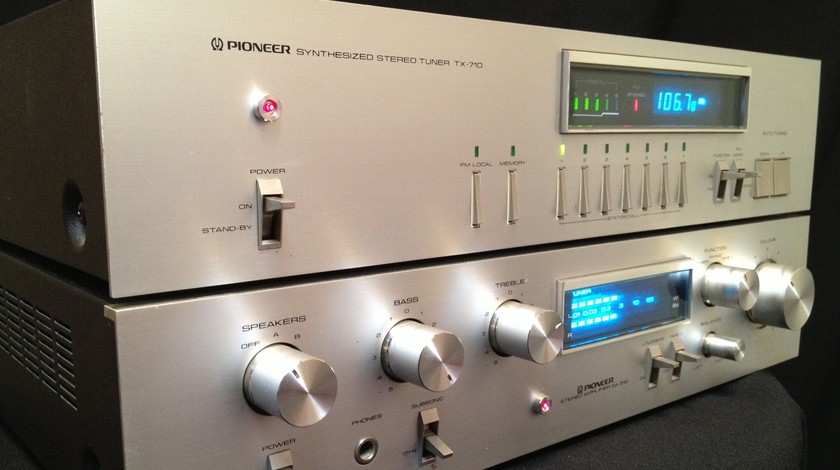
In the above slider you are seeing some of the low-profile components offered by Pioneer around 1980. Designed with the now standard component width of 420mm and a unique low height profile, these units became very popular and the format was adopted by many other manufactures such as Onkyo, Teac and Akai. Inheriting much of the technology from the Receiver Wars the sound of these units is crisp, precise and well balanced. The amplifier is teamed up with the top-of-the-range tuner for this lineup the TX-710. These two units are in remarkable good condition with clean fascias.
Here is one of the Pioneer’s Fluoroscan components that I have renewed…
The very rare and superb top-of-the-line Pioneer SX-D7000. This Receiver was the top-of-the-range model released post Receiver Wars and as such possessed less than half the RMS power of it’s predecessor the infamous SX-1980. This version of the model is exceedingly rare because it featured beautiful walnut side panels, most of these came as the bare metal variety.


 1
1 2
2 3
3 4
4 5
5 6
6 7
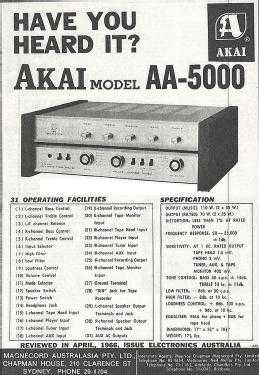
7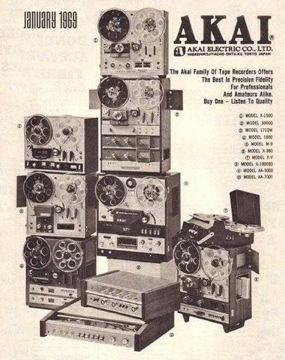 From the decade that birthed component HiFi and witnessed the transition from the tube to the transistor these units were manufactured between 1966 to 1969 and were Akai’s mainstay amplifier for this period. The more commonly found AA-5000S was a later version that extended the product lifecycle into the mid 1970s.